Official Cash Rate
2.5 %
Updated: 2:00pm, 08 Jul 2026
Next update: 2:00pm, 02 Sep 2026
Key points
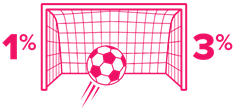
- The OCR is our main tool for keeping inflation between 1% and 3%.
- Our Monetary Policy Committee (MPC) reviews the OCR 8 times a year, based on how the economy is tracking.
- When the OCR changes, interest rates on things like mortgages, loans, and savings accounts often change too.


Inflation is still too high, but we’re expecting it to gradually come down to our 2% target over the next year.
This means that although prices are still going up, we don’t think they will go up as quickly.
Inflation is still higher than we want, and the economy is expected to grow stronger.
Because of this, higher interest rates may be needed.
However, this will depend on how the economy and the outlook for inflation evolve.
We know things feel tough right now.
When the economy is weak, there are fewer job opportunities and more people looking for work. The good news is that this should start to improve next year as businesses feel more confident about hiring again.
New Zealand’s economy was recovering, but higher oil prices slowed things down. We expect growth to pick up again as fuel prices fall and confidence returns.
We expect house prices across New Zealand to fall a bit this year.
From next year, we think house prices will gradually increase as household incomes continue to grow.

Common questions about the OCR
Here, at the Reserve Bank of New Zealand, we set the OCR — the interest rate that banks earn on their deposits with us. It also determines the rate banks pay when they borrow from us.
It’s our main tool for keeping inflation (how quickly prices rise over time) between 1 and 3%.
Think of the OCR like a dial we can turn up or down to make borrowing cheaper or more expensive.
- When prices are rising too fast, we turn the dial up by raising the OCR. This makes borrowing more expensive so households and businesses tend to save a bit more and spend less. This helps slow price rises. Over time, this can make day‑to‑day costs easier for households to manage.
- When the economy is slowing, we can turn the dial down by lowering the OCR. Borrowing becomes cheaper, people can spend more, and pressure on businesses eases. Businesses may put up their prices, but they may also pay higher wages and employ more people.
Sometimes we leave the dial where it is, but signal that it might need to be turned up or down in the future. This helps avoid sudden changes and gives people time to plan. Because banks plan ahead, they may change their mortgage or savings interest rates, even if the OCR itself hasn’t changed.
That’s why getting the OCR right is so important — it helps keep prices stable and supports a more affordable cost of living over time.
The OCR influences all the interest rates banks offer — including mortgage and business loan rates, as well as the interest you earn on your savings.
It affects what banks pay or earn when they borrow from or deposit money with us, which in turn, influences their costs and the rates they pass on to customers. That’s one of the reasons why your bank’s rates go up or down.
We set the OCR and help shape expectations about where it’s heading. But banks decide their own rates based on factors like:
- how risky a loan is
- their day‑to‑day costs
- competition with other banks
- the exchange rate
- where they think the OCR is going next.
Changes to the OCR take time to flow through the economy.
- Banks may adjust interest rates gradually.
- Fixed-rate loans don’t change until the term ends.
- Households and businesses take time to change how they spend or invest.
All of this means the full impact of an OCR change can take months — sometimes even years — to flow through the economy.
What the OCR means for you
Whether you’re looking to buy your first home, pay off a mortgage, build up your savings, or run a business, the OCR influences:
- what your loan repayments look like
- how much interest you earn on your savings
- whether house prices go up or down
- how easy it is to find a job, and how fast your wages go up
Understanding the OCR can help you make more informed financial decisions about saving, borrowing, refixing, investing, and spending.

- Mortgage rates often go up. This means more of your income goes toward repayments and you may have less money to spend on other things.
- Some people may choose to delay buying a home, which can reduce pressure on house prices.
- Because mortgage rates represent a cost for landlords, rents might be affected too.
- Mortgage rates usually fall, leaving households with more room in their budgets.
- As borrowing is cheaper, more people may be encouraged to buy, which can push house prices up.

- A higher OCR makes borrowing more expensive. Some businesses may decide to hold off on investment until interest rates are lower.
- As people spend less money, businesses may have to compete for customers, which makes it harder for them to raise prices, and makes them less likely to take on new workers.
- A lower OCR makes loans cheaper, encouraging businesses to invest and grow.
- As people spend more, demand increases and businesses may respond by hiring more staff or raising prices.